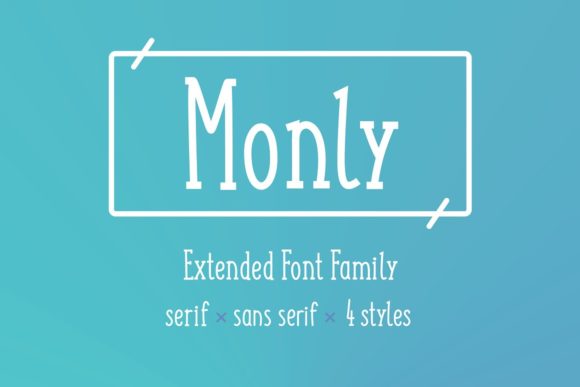
Monly: A Fresh Display Font for Modern Editorial Design
Choosing the Right Typeface for a Lifestyle Blog Redesign
While working on a redesign for a wellness-focused lifestyle blog, I found myself sifting through a number of display fonts, trying to find one that felt both modern and inviting. The goal was to refresh the blog’s header and feature article titles without losing the warmth that readers had come to expect. That’s when I came across Monly — a playful yet refined display font that struck the perfect balance between personality and clarity.
At first glance, Monly stood out for its clean structure and subtle charm. It’s available in both serif and sans serif styles, giving designers the flexibility to mix and match for visual contrast. I used the serif version for article titles and the sans serif for subheaders, creating a layered but cohesive typographic hierarchy. On screen and in print exports, the font maintained a strong presence without overwhelming the layout.
Visual Character and Editorial Appeal
Monly has a rhythmic balance that makes it ideal for editorial layouts. The serif version carries a touch of tradition, while the sans serif brings a minimalist modernity. Both styles share a consistent x-height and spacing, which helps maintain visual harmony when used together. The font’s open counters and gentle curves enhance readability, especially in larger sizes like headlines and pull quotes.
Its personality is light and approachable — not overly whimsical, but still expressive enough to convey editorial tone. For a digital magazine layout I tested it in, Monly gave the cover title a clean, contemporary feel. It also worked well in a newsletter header, where the sans serif style added a subtle sense of movement without sacrificing legibility.
Real-World Uses and Practical Applications
I found Monly particularly effective in short-form, high-impact design elements. It performed beautifully in:
- Blog headers and article titles
- Newsletter graphics and promotional banners
- Recipe ebook covers and chapter openers
- Wedding guide layouts and printable planners
- Pull quotes and editorial feature pages
In a printable coaching workbook I was designing, I used Monly for section headings and decorative accents. It added visual interest without competing with the body text, which was set in a classic serif font. This contrast helped guide the reader’s eye and reinforced the document’s structure.
For digital use, Monly scaled well across devices. On mobile, the sans serif version held up better in smaller sizes, while the serif was best reserved for larger headings. In PDF exports, the font retained its crispness and clarity, making it suitable for both screen and print formats.
Readability and Font Pairing Considerations
It’s important to note that Monly is best used as a display font — not for long blocks of body copy. Its expressive nature makes it less ideal for dense paragraphs or small captions. I found it most effective when paired with a highly readable serif or clean sans serif for body text. For example, using Monly with a serif like Merriweather or a sans serif like Lato created a balanced and visually appealing layout.
When designing a digital magazine, I used Monly for the cover title and section headers, then paired it with a classic serif for body articles. This combination supported both visual hierarchy and reader engagement. The contrast helped readers quickly scan and navigate the content, reinforcing the publication’s identity without sacrificing readability.
What to Know Before Using Monly
Before incorporating Monly into any publication or template, it’s wise to check its full feature set. The font includes multiple weights and styles, which can be useful for creating contrast within a design. It also supports ligatures and alternates, allowing for subtle customization in titles and headers.
Multilingual support is solid, making it a good choice for international blogs or digital products. File formats typically include OTF and TTF, which are compatible with most design software. If you’re using Monly in a commercial project — such as an ebook, newsletter template, or printable planner — be sure to verify the licensing terms to ensure compliance.
For content creators and independent publishers, Monly offers a fresh and versatile option for building a distinct visual identity. Whether you're crafting a course PDF, redesigning a blog, or laying out a wedding guide, Monly brings a modern editorial tone that supports both structure and style.