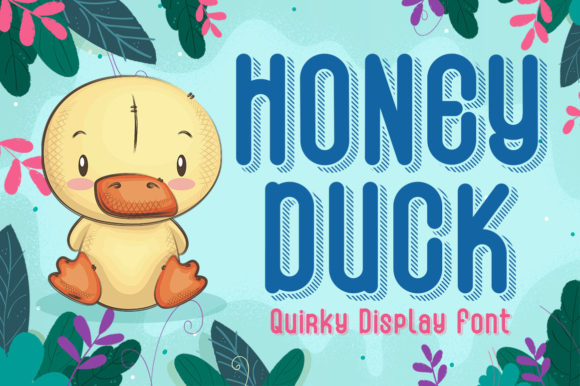
Honey Duck Font: A Playful Touch for Professional Branding
Bringing Personality to Your Business with Honey Duck
Honey Duck is more than just a display font—it’s a branding tool that brings charm and character to your small business. Whether you’re launching a new product line or redesigning your social media presence, this font’s whimsical yet clean design helps your brand feel approachable and authentic. As a small business owner, I’ve found that choosing the right typeface can make a big difference in how customers perceive your brand. Honey Duck strikes a perfect balance between fun and professionalism, making it ideal for creative entrepreneurs who want to stand out without sacrificing clarity.
Why Font Choice Matters for Small Businesses
Your brand’s visual identity includes more than just your logo—it extends to every customer-facing material you create. From packaging labels to website banners, the fonts you use shape how your brand is perceived. A well-chosen font like Honey Duck can help you build a consistent, memorable brand presence. It’s not just about aesthetics; it’s about trust. When your materials look polished and cohesive, customers are more likely to take your business seriously.
Real-World Uses for Honey Duck in Branding
I’ve used Honey Duck across a variety of branding materials, and it works especially well for businesses with a warm, creative vibe. Here are some of the ways it can enhance your brand:
- Logo Design: Its distinctive curves and playful style make it perfect for boutique logos, handmade brands, and lifestyle businesses.
- Packaging Design: Whether you’re printing product labels or creating custom stickers, Honey Duck adds a personal touch that resonates with buyers.
- Social Media Graphics: From Instagram stories to Pinterest pins, this font helps your visuals pop on mobile screens.
- Website Banners: Use it for headlines or call-to-action buttons to draw attention without overwhelming your layout.
- Printed Marketing: Flyers, menus, and thank-you cards look more inviting when you use a font that feels genuine and handcrafted.
Pairing Honey Duck with Other Fonts
One of the best ways to use a decorative font like Honey Duck is to pair it with a clean, readable typeface. For example, use Honey Duck for headlines and a simple sans serif font like Open Sans or Montserrat for body text. This combination keeps your branding playful yet professional. If you’re designing a café menu or a product label, try using Honey Duck for item names and a serif font like Merriweather for descriptions. The contrast helps guide the reader’s eye and makes your content easier to digest.
When to Use Honey Duck in Your Branding
Honey Duck shines as a headline font or accent typeface. It’s best used in situations where you want to capture attention and add personality. Avoid using it for long paragraphs or fine print, since display fonts are designed for visual impact rather than extended reading. Here’s how I use it across different platforms:
- Logos: Ideal for brands that want to feel friendly and creative.
- Product Labels: Perfect for small-batch goods like candles, soaps, or artisan foods.
- Instagram Posts: Helps your captions and captions stand out in a visually crowded space.
- Website Headers: Use it for hero sections or featured content blocks.
- Merchandise: Works well on t-shirts, mugs, and tote bags for a custom, boutique feel.
Readability in Real Business Settings
While Honey Duck has a hand-drawn charm, it’s still designed with readability in mind. I’ve used it on small product tags and found it remains clear even at smaller sizes. On mobile screens, its rounded edges and open spacing make it easy to read quickly—important for social media posts and digital ads. For printed materials like packaging or business cards, always test a sample print before going to production to ensure legibility and visual appeal.
Testing Before Committing to a Font
Before applying Honey Duck across your entire brand, test it in different contexts. Try it on mockups of your packaging, social media templates, and website headers. Many font marketplaces offer preview tools where you can see how it looks on various backgrounds and in different sizes. If you’re unsure, create a few design variations and ask customers or peers for feedback. Small changes in typography can have a big impact on how your brand is received.
Checking Licensing for Commercial Use
As a small business owner, it’s important to make sure the fonts you use are properly licensed. Honey Duck is a commercial font, which means you can use it in your branding, marketing materials, and product designs. However, always check the licensing terms before using it in client work, digital downloads, or merchandise. Some font licenses restrict how many users or how many products can include the typeface, so it’s best to confirm before scaling your use.
Building a Cohesive Brand Identity
Consistency is key in branding, and typography plays a big role in that. By using Honey Duck across your digital and physical materials, you create a unified look that customers can recognize instantly. Whether you’re designing a new product label or updating your website, this font helps your brand feel intentional and well-crafted. Over time, that consistency builds trust and makes your business more memorable in a crowded market.